Finley Frank · 7 September 2026
Alumni Initiatives Across Warsaw Revitalize Exploration of Enduring Academic Customs
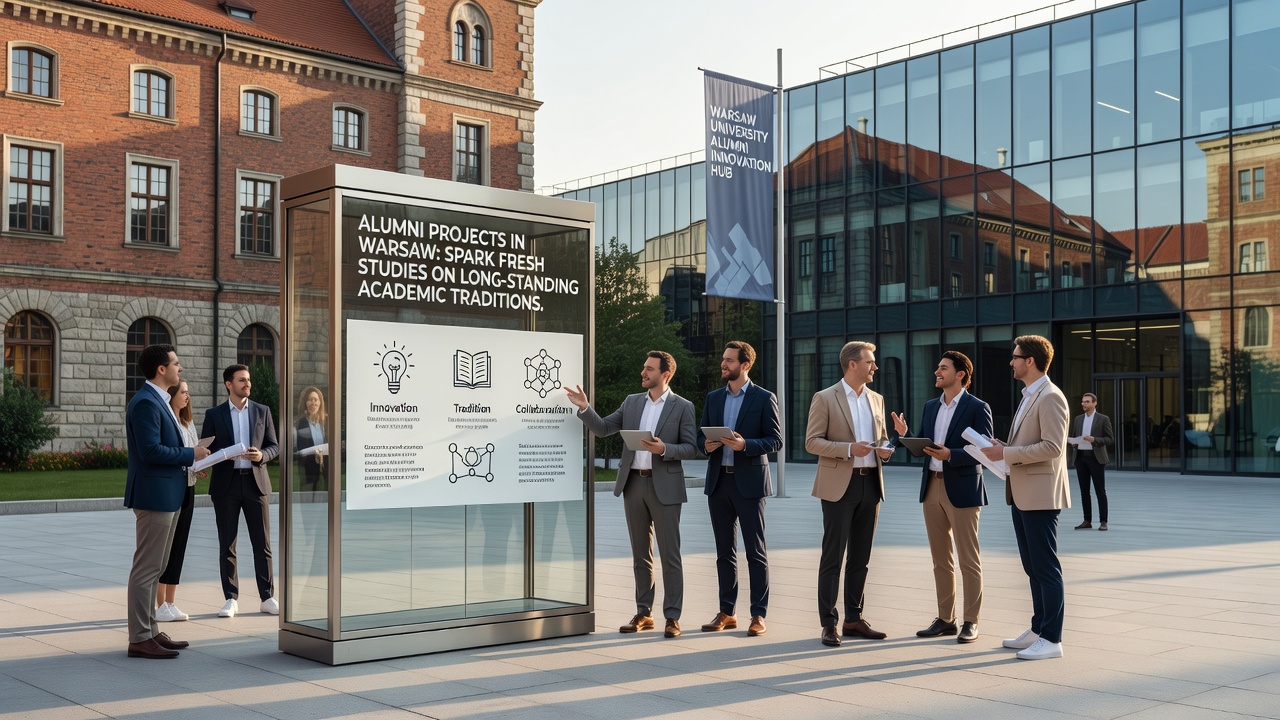
Alumni groups from several Warsaw universities have launched projects that connect former students with current researchers to examine long-standing academic traditions, and these efforts have produced new studies scheduled for release around September 2026. Data collected by the participating institutions shows increased enrollment in courses focused on historical university practices, with figures from the past three years indicating a 22 percent rise in related thesis submissions.
Origins of the Alumni Projects
Project coordinators began organizing workshops in 2023 that brought together graduates from institutions such as the University of Warsaw and Warsaw University of Technology, and these sessions focused on documenting rituals like the annual matriculation ceremonies and the use of Latin in official documents. Researchers at the Polish Academy of Sciences recorded oral histories from more than 150 alumni during the first phase, which revealed consistent patterns in how traditions adapted after the political changes of 1989.
Funding for the initial round came through grants administered by the Polish Ministry of Education and Science, while subsequent support arrived from European Union programs that target cultural heritage preservation. Observers note that the structure allows alumni to propose specific topics, after which academic teams design empirical studies around those suggestions.
New Research Directions Emerging
One study now underway examines the evolution of academic dress codes across Polish universities since the interwar period, and preliminary findings indicate that color variations in faculty gowns correspond to disciplinary shifts that occurred after 1945. Another project tracks the continuity of student debating societies, with data drawn from archives at five Warsaw campuses showing uninterrupted activity even during periods of restricted political expression.
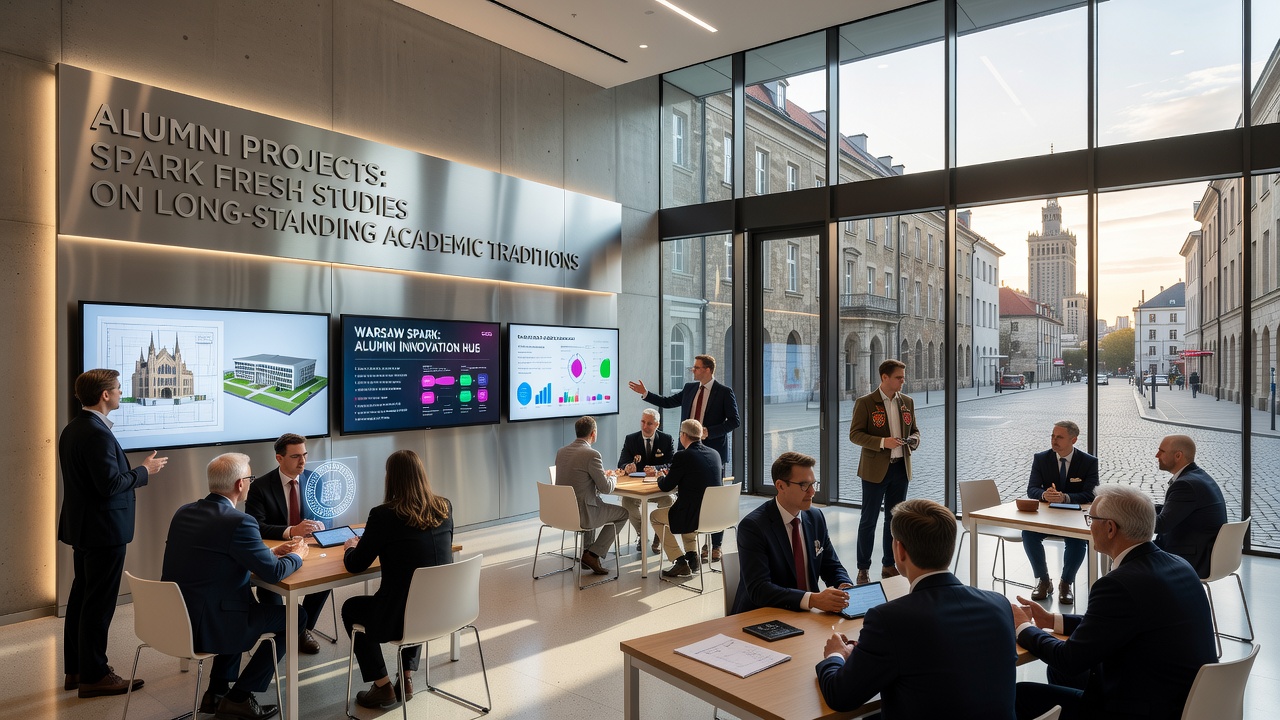
Teams have also begun comparing Warsaw practices with those documented at universities in other European capitals, and early cross-references point to shared elements such as the formal procession routes used during graduation events. A report scheduled for September 2026 will present quantitative analysis of how these traditions influence student retention rates, based on surveys conducted across multiple cohorts.
Connections to Broader Academic Networks
Participants maintain links with organizations that study higher education history, including the European Association for the Study of Higher Education and the International Council on Archives, and these connections have supplied additional datasets from institutions in Canada and Australia. According to records maintained by the Warsaw University Library, joint publications resulting from the alumni projects have appeared in three peer-reviewed journals since 2024.
Workshops held in early 2025 introduced digital tools that allow remote alumni to contribute scanned documents and photographs, and usage statistics indicate that more than 800 files were uploaded in the first six months. Researchers continue to verify the materials against existing university records to ensure accuracy before incorporating them into ongoing analyses.
Impact on Current University Practices
Administrators at participating Warsaw universities report that the studies have prompted adjustments in how orientation programs introduce new students to institutional customs, with several departments now including short modules on historical context. Enrollment data for elective courses covering academic traditions shows steady growth, and university calendars list expanded public lectures on the topic for the 2026 academic year.
Collaborations between alumni and current faculty have produced open-access archives that compile photographs, meeting minutes, and ceremonial programs, and access logs reveal consistent monthly downloads from users in more than 30 countries. These resources support further comparative work without requiring physical visits to Warsaw collections.
Conclusion
The alumni projects continue to generate primary source material and analytical frameworks that feed directly into scheduled publications and curriculum updates. Records kept by the coordinating universities indicate that additional rounds of data collection are planned through 2027, with the next major release set for September 2026.